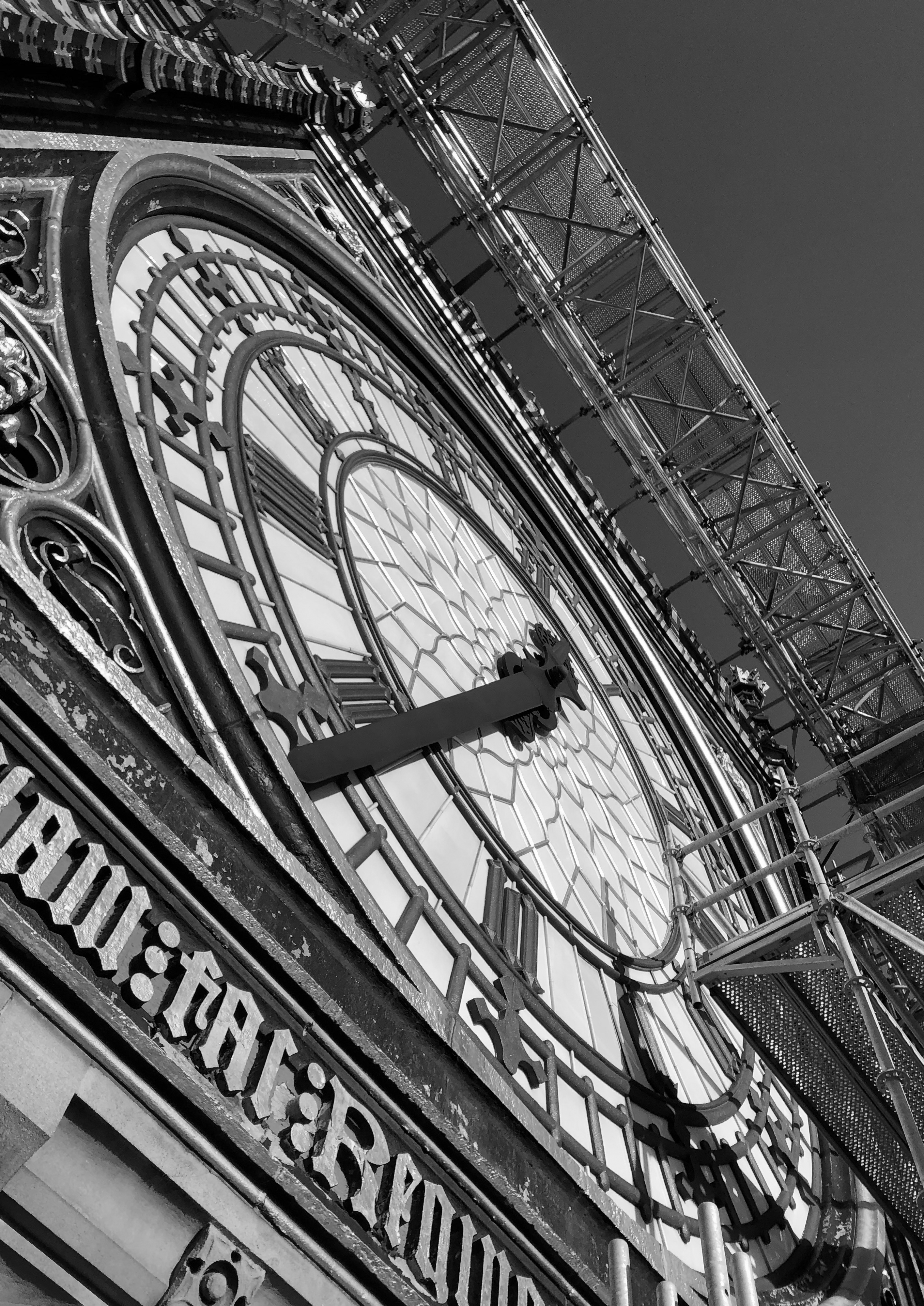
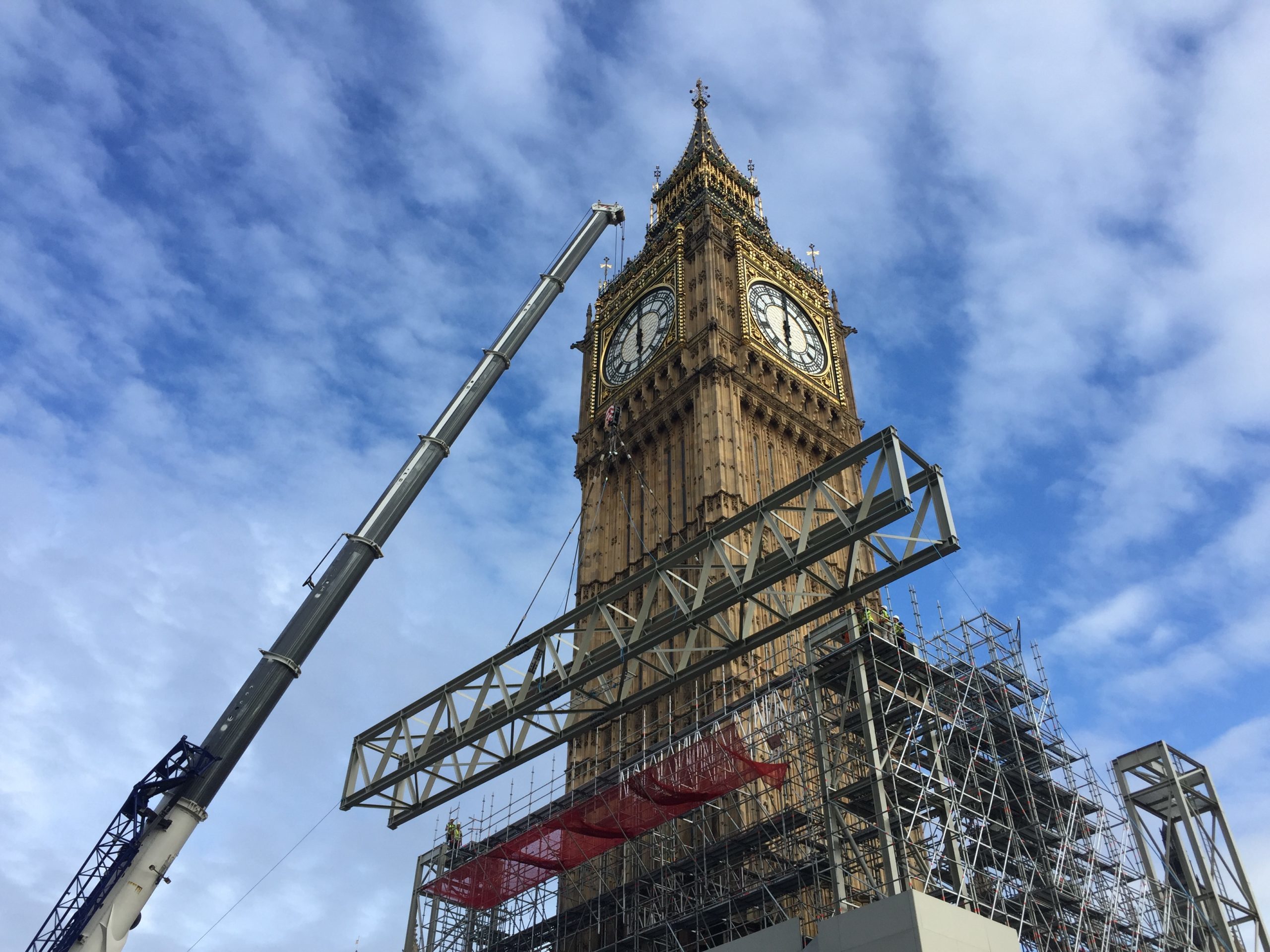
Elizabeth Tower (Big Ben) stands 315 feet tall, and the climb from ground level to the belfry is 334 steps. Its base is square, measuring 39 feet on each side. Dials of the clock are 23 feet in diameter.
The Elizabeth Tower, an enduring symbol of British heritage and a defining feature of the Palace of Westminster, has undergone one of the most extensive conservation and restoration projects in its history. As part of the broader Parliamentary Repair & Renewal Programme, this ambitious initiative sought to return the tower to its original splendour, ensuring its continued preservation for future generations. Constructed between 1845 and 1859 as part of Charles Barry and A.W.N. Pugin’s Gothic Revival design for the new Palace of Westminster, the Elizabeth Tower—formerly known as the Clock Tower—has stood as a landmark of national and international significance. Renamed in 2012 in honour of Queen Elizabeth II’s Diamond Jubilee, it remains a functional and symbolic centrepiece of British democracy.
By 2017, the tower was in urgent need of conservation. The primary objective of the project was to restore its structure, stonework, and intricate detailing as faithfully as possible to its original 1859 condition, addressing deterioration caused by environmental exposure, structural movement, and previous restoration efforts. A particular challenge lay in ensuring that all conservation measures adhered to the highest standards of craftsmanship while minimising environmental impact. The restoration of the Elizabeth Tower required an extensive programme of conservation, including:
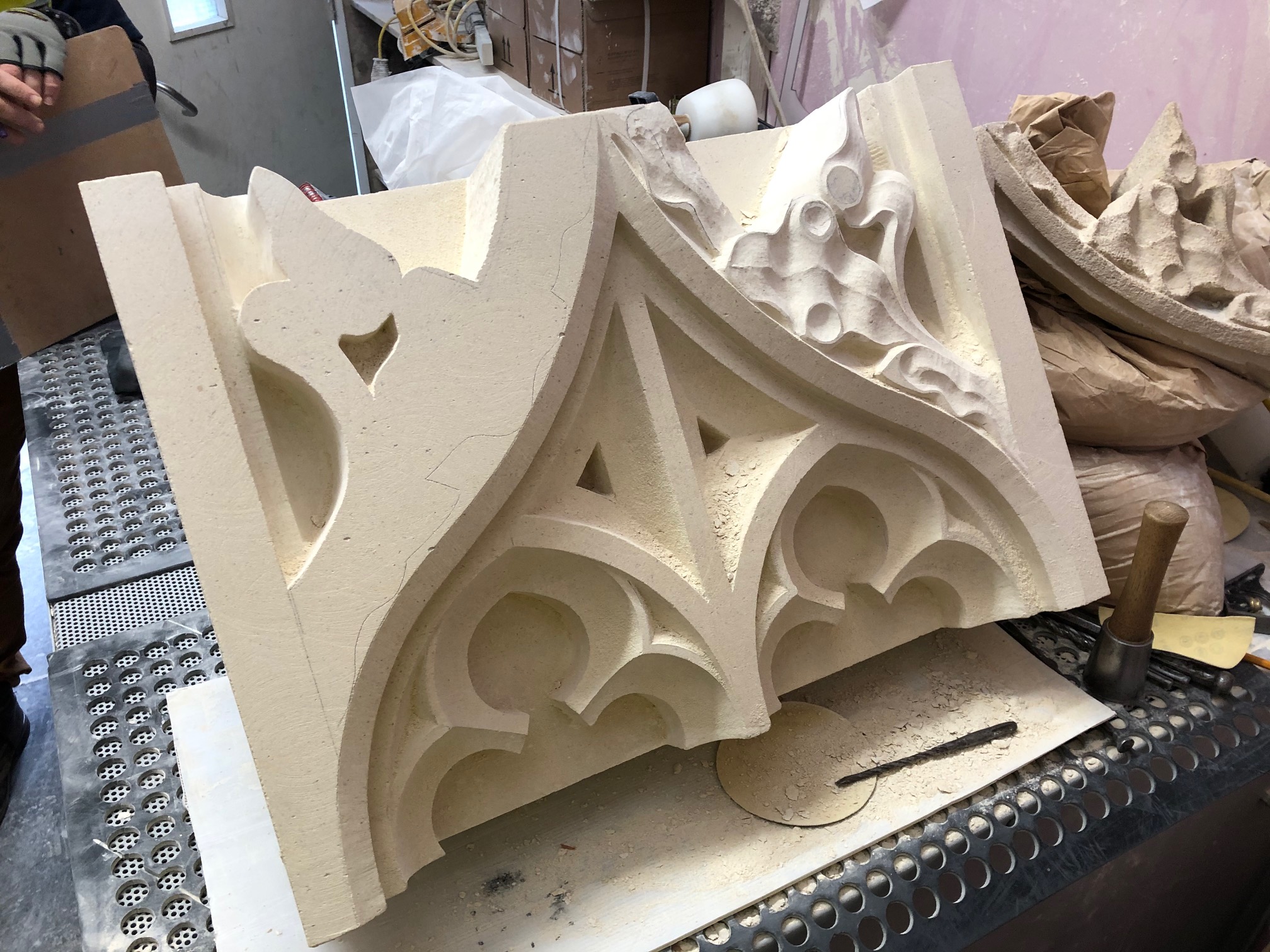
Masonry Repairs and Stone Conservation: The project entailed the repair and replacement of deteriorated stone elements, including detailed re-carving where necessary to replicate original Gothic features. Initial estimates suggested that 250–300 stone replacements would be required; however, a detailed inspection revealed the need for nearly 3,000 individual interventions.
Stone Cleaning: A rigorous conservation cleaning process was undertaken to remove layers of sulphation crusts and accumulated soiling. Trials determined the most effective methods, which included Thermatech steam cleaning, nebulous water sprays, and Jos wet air abrasive cleaning. These techniques ensured the preservation of the stone’s historic fabric while enhancing its appearance. Stone Selection and Replacement: The tower was originally constructed using Church Anston limestone, but previous restorations had introduced Clipsham limestone, resulting in tonal inconsistencies and accelerated weathering. As Church Anston was no longer available, Cadeby limestone, which shares similar geological properties, was selected as the most suitable alternative. The use of sustainably sourced materials and precise hand-finishing ensured the new stonework blended seamlessly with the original structure.
Fixing and Installation: The restoration process required exceptional skill in handling and securing heavy stone components at height. Traditional fixing techniques, including the use of lime mortar bedding and stainless-steel dowels, were employed to ensure both structural integrity and historical accuracy. Wherever possible, original Anston stone extracted from the structure was repurposed for indents, reducing material waste.
The conservation of the Elizabeth Tower was completed on schedule in January 2022, aligning with celebrations for the Queen’s Platinum Jubilee. The project not only safeguarded one of the nation’s most significant landmarks but also set a new benchmark for heritage conservation. The meticulous attention to detail, combined with the integration of both traditional and modern techniques, ensured that the tower was restored to the highest possible standard.